Wagamama guide

Is Wagamama Healthy?

Is Wagamama Healthy? a guide on wagamamamenuprices.co.uk

Wagamama wears a healthier reputation than most chains, fresh bowls, open kitchens, vegetables you can see, and reputations deserve auditing. The chain publishes full nutrition data for its dishes, this site tracks all of it, and the numbers tell a more interesting story than the branding: genuinely light options sitting beside some of the biggest plates on any UK high street.

This guide reads the data honestly: where the menu is genuinely healthy, where the salt and sugar hide, which dishes the numbers actually recommend, and how to order well without eating sadly. The nutrition calculator on this site lets you run your own totals from the same figures.

The short version: wagamama is as healthy as your order, and the spread between good and heavy orders here is wider than almost anywhere.
Is Wagamama Healthy?: Prices and Calories

DishPriceCaloriesProteinCarbsFatSalt
Katsu Pickles£1.2050.1g1g0.1g0.6g
Chillies£1.2080.4g1.6g0.1g0.1g
Kimchee£1.20110.8g1.6g0.4g1.1g
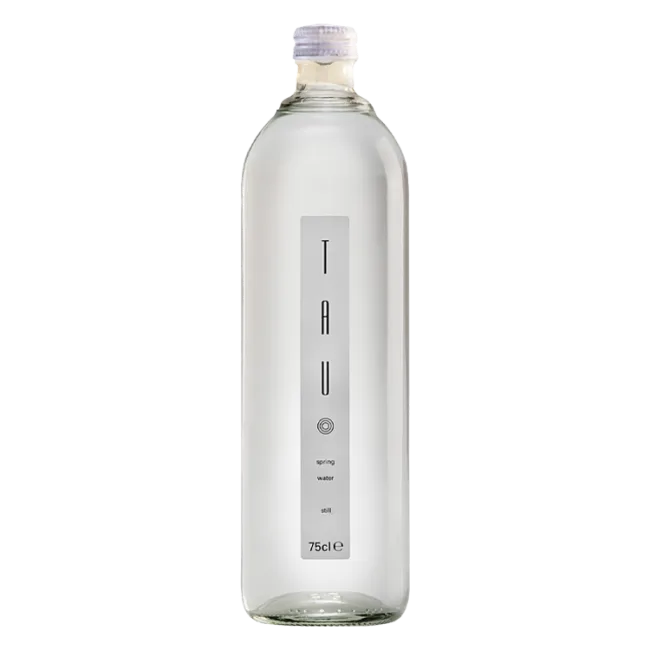
Still Water£2.5000g0g0g0g
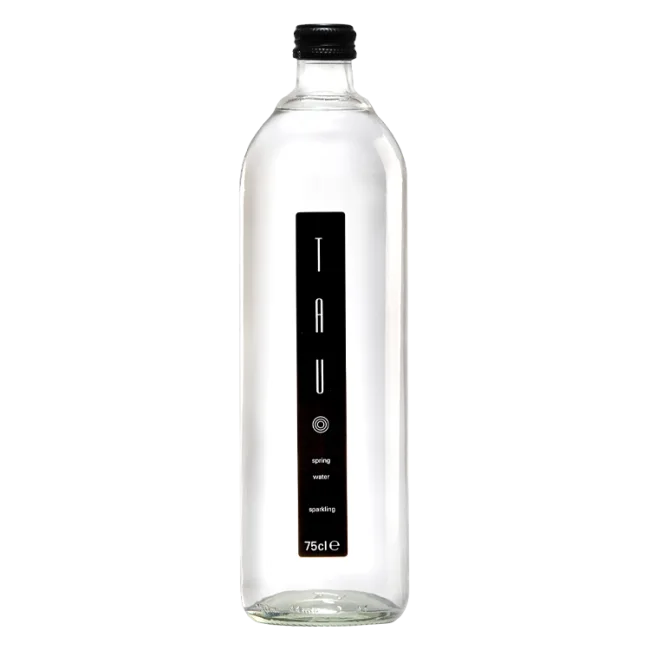
Sparkling Water£2.5000g0g0g0g
Kids Tropical Fruit Ice Lolly£2.70est.210g5g0g0g
Diet Coke£2.8010g0g0g0g
Coke Zero£2.8010g0g0g0g
Sprite Zero£2.8030g0g0g0.1g
Double Espresso£2.90est.10g0.1g0g0g
Green Tea£3.00est.00g0g0g0g
Americano - Whole Milk£3.30est.241.2g1.8g1.2g0g

Prices marked est. are our estimate. Wagamama does not publish a price for those dishes, so we work it out from what they do publish. Check with the restaurant before you rely on one.

Data from publicly available wagamama information. Prices vary by location. Updated 21 June 2026. Report an error

What the Calorie Numbers Actually Say

The menu's spread is the headline. At the light end, the grilled chicken ramen carries 455 kcal with around 35 g of protein, the wok fried greens sit at 163 kcal, and the chicken and prawn turmeric rice bowl lands a complete meal at 677 kcal. Those are genuinely strong numbers for restaurant food, not marketing numbers.

At the heavy end, the katsu curries run near or past the thousand mark, the hot yasai katsu at 1350 kcal leading the whole menu, and the grilled duck donburi carries 1129 kcal. Against the 2,000 kcal reference intake, one plate at that end is half a day, eaten pleasantly in twenty minutes.

Neither end is a scandal; both are choices. What distinguishes wagamama is that the light end is not a punishment menu, the bowls there are among the most ordered dishes in the building, and that every figure is published rather than hidden, which is more than plenty of healthier looking places manage.

Salt Is the Number That Needs Watching

If one column deserves your attention, it is sodium. Ramen broth is seasoned by design, and the big bowls carry it: the signature seafood ramen and the pulled shiitake donburi both pass the NHS guideline of 6 g of salt for an entire day in a single dish, and several other bowls run close. This is the trade the cuisine makes for flavour, and no honest guide pretends otherwise.

The practical fixes are real, though. The broth carries most of a ramen's salt, so eating the noodles and toppings while leaving liquid behind cuts the figure meaningfully without changing the meal much. The teppanyaki and rice pages run lower than the soup pages, the chicken raisukaree at around 3.2 g being the gentlest big plate on the menu, and the lighter bites are near innocent, the yasai gyoza at 0.7 g the building's lowest.

Anyone managing blood pressure should order from the dry half of the menu and treat the broths as occasional, which still leaves most of the building open. The nutrition data on each dish page carries the exact figures.

Sugar Hides in the Glazes

The second quiet column is sugar, and its pattern is simple: glaze equals sugar. The firecracker range carries around 35 g per plate, the korean fried chicken bao buns lead the savoury menu at around 45 g, and every teriyaki dish pays the lustre tax. None of this is unusual, sweet sauces are sweet, but the figures surprise people who filed those dishes under savoury.

The unglazed menu barely registers: the plain yaki soba runs under 8 g, the gyoza under 2 g, and the grilled proteins stay minimal. Drinks decide as much as dishes here, a full sugar coke at 139 kcal carries 35 g while the peach iced tea at 52 kcal does the same cooling job on 13 g, and the zero range does it on none.

The dessert list is at least honest about its job, though worth calibrating: the sweetest savoury plates out sugar half the desserts, which makes the firecracker plus dessert order the true sugar bomb, and the banana katsu at 19 g the gentlest sweet landing.

The Genuinely Strong Orders

For protein at sensible calories, the menu's quiet champions: the grilled chicken ramen's 35 g inside 455 kcal, the chicken teriyaki soba's 38 g at 769 kcal, and the turmeric rice bowl's 32 g with the menu's lowest bowl salt. The buldak fire wings, of all things, carry the building's highest protein figure, though their heat rules them out as a default.

For lighter meals that still feel like dinner: the kare burosu ramen keeps a vegan bowl at 706 kcal with 30 g of protein, and two lighter bites plus gyoza builds a genuine meal under most single mains.

For vegetables, the menu quietly delivers: the gochujang salmon bowl carries two cooked greens and two pickles alongside the fish oils, the katsu udon runs seven vegetables under its sauce, and the wok fried greens fix any order's balance for the price of a coffee. Fibre is the column no menu brags about, and these are where it lives here.

Is Wagamama Worth It for Healthy Eating?

Healthier than its high street weight class, honestly mixed within its own menu. The genuinely light orders are real, published and pleasant, which beats the token salad most rivals field. The heavy orders are genuinely heavy, and the salt on the soup pages is the one number that deserves actual caution rather than shrugging.

The fairest framing: wagamama gives you the information and the options to eat as well as you intend to, which is the most a restaurant can do. A rotation built on the grilled chicken ramen, the turmeric bowl, the raisukaree and the lighter bites is a legitimately good weekly habit; a rotation built on katsu, firecracker and bao nuts is a treat schedule wearing a headband. Both are on the same menu, both are priced within pounds of each other, and the calculator on this site will referee any order you are unsure about. The choice, unusually well documented, is yours.

Dishes Mentioned

Wagamama still water from the soft drinks menu£2.50

Still Water

  • 0Cal
  • 0gProtein
  • 0gCarbs

4.6 · 9 ratings

Questions About This Guide

The grilled chicken ramen at 455 kcal with 35 g of protein leads the mains, with the chicken and prawn turmeric rice bowl close behind at the lowest bowl salt on the menu. The wok fried greens fix any order's balance.
Mains run from under 500 to over 1,300, the widest spread on the high street. A light main and side lands well under half the 2,000 kcal reference day; a katsu with dessert can pass it.
The broth is the seasoning, soy and miso both carrying sodium, and a litre of it sits in one bowl. Leave some broth and the figure drops meaningfully; the dry noodle pages run lower throughout.
Genuinely: half the mains clear 35 g, the steak teriyaki soba touches 50 g, and even the vegan bowls hold 30 g. The published figures make it one of the easiest chains to train around.
Not automatically; the hot yasai katsu is the menu's biggest plate and the fried tofu dishes run rich. Vegan describes ingredients, and the numbers on each dish page describe the rest.
Wagamama's own published nutrition data, tracked dish by dish across this site and refreshed with it. The calculator page lets you total any order from the same source.

See the Full Wagamama Menu

149 dishes with prices, calories and allergens.

Browse the Full Menu

Comments

No comments yet. Be the first to say something.