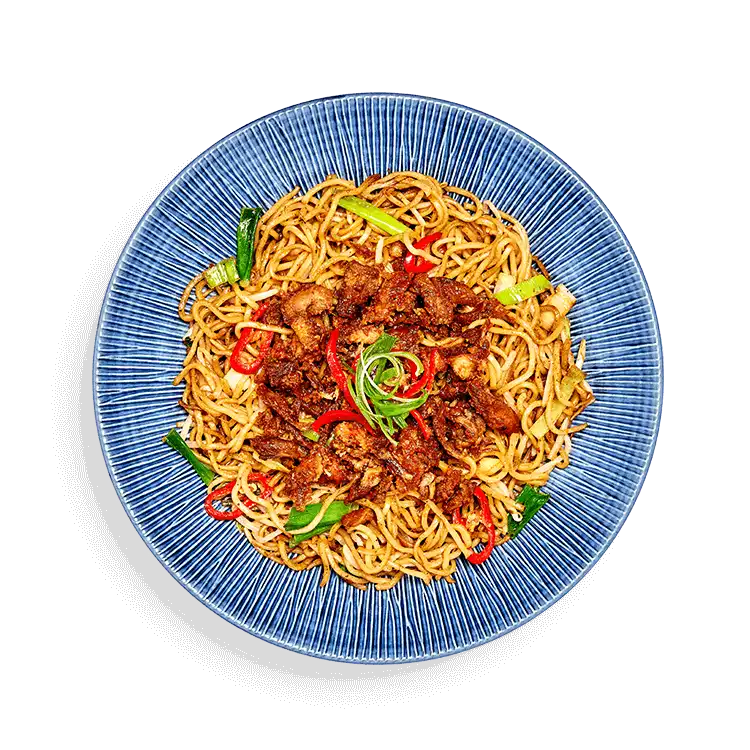
 £21.40
Saku Saku Duck Soba
crispy duck. noodles. amai sauce. egg. beansprouts. leek. spring onion. chilli. spicy teriyaki sauce (may contain small bones)
- 933Cal
- 46.5gProtein
- 88.3gCarbs
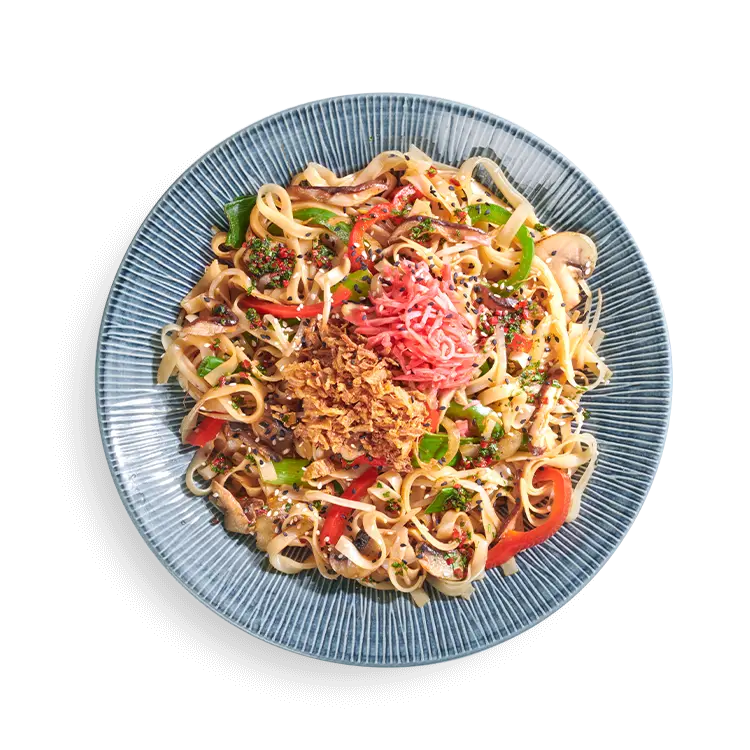
Wagamama does not publish a price for this dish, so £15.80 is our estimate, based on same dish as "yasai yaki soba | udon", which wagamama sells for £15.80. Confirm it with the restaurant before you rely on it.
noodles. peppers. beansprouts. fresh + crispy onions. pickled ginger. sesame seeds
Contains: cereals containing gluten, barley, wheat, sesame, soya
sulphites
Wagamama yasai yaki soba on rice noodles is estimated at £15.80 (est.) with 660 kcal in the plate, and it is the vegan build of the chain's oldest noodle dish: rice noodles fried on the teppan with peppers, beansprouts, fresh and crispy onions, pickled ginger and sesame seeds, no egg anywhere in it.
Rice noodles change the character of a yaki soba more than the missing egg does. They fry lighter and drier than egg noodles, picking up char faster and holding less oil, which is why this is the lightest plate on the whole teppanyaki page at 660 kcal. The trade is protein: without egg or meat the figure drops to around 17 g, the lowest of the yasai trio, so anyone eating for the gym should look at the udon version or add a side.
Wagamama publishes no standalone price for this build, so the £15.80 (est.) figure is this site's estimate from the priced udon version, marked est wherever it shows. The salt is the lowest on the teppanyaki page too, which makes this quietly one of the most sensible plates in the building for anyone watching sodium.
There is a practical audience for this plate beyond vegans: anyone who finds wheat noodles heavy. Rice noodles digest lighter, and paired with the lowest salt on the page they make this the teppanyaki order that leaves the afternoon intact. The crispy onions stay in the build, worth knowing for coeliac visitors reading the vegan marking hopefully, since those and the soy seasoning are exactly why the vegan marking here does not mean gluten free.
On the question of how much is the vegan yaki soba, expect it level with its siblings and slightly higher in London and at airports. Its natural company is the lighter end of the menu: edamame with chilli garlic salt to start, wok fried greens alongside, and the whole order stays plant based and under control. The power juice in the glass finishes the theme properly.
Per serving.
Values approximate, from wagamama's published data. Updated 05 September 2026.Report an error
Rice noodles are the fastest and the most fragile part of this dish. Soak rather than boil them, keep them slightly underdone going into the pan, and toss gently or they shred.
Sauce
Pan
0 of 4 steps
Serve with: Edamame to start and wok fried greens beside; the lightest full meal on the teppanyaki page stays that way.
£21.40crispy duck. noodles. amai sauce. egg. beansprouts. leek. spring onion. chilli. spicy teriyaki sauce (may contain small bones)
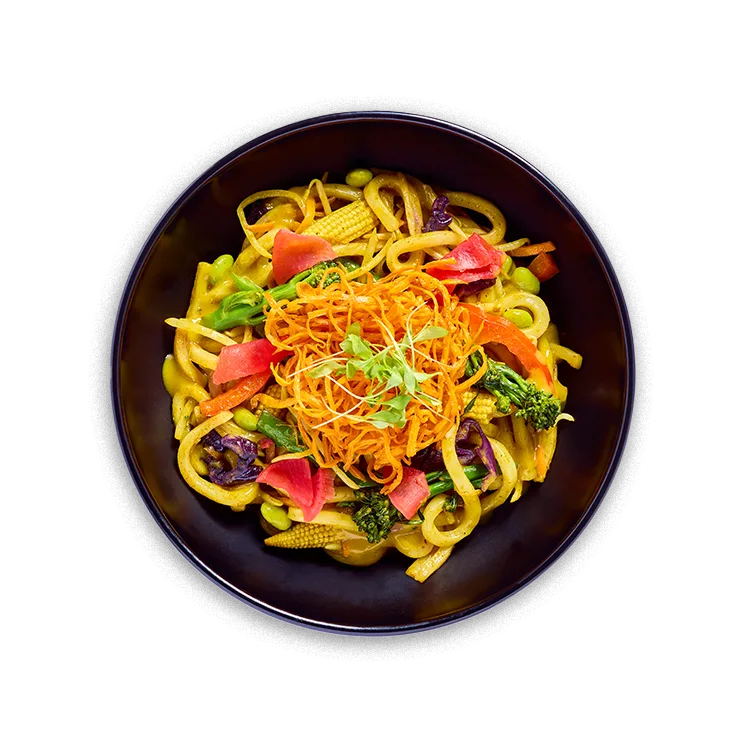 £13.90
noodles. katsu sauce. red pepper + cabbage. broccoli. carrots. beansprouts. baby corn. edamame beans. crispy sweet potato
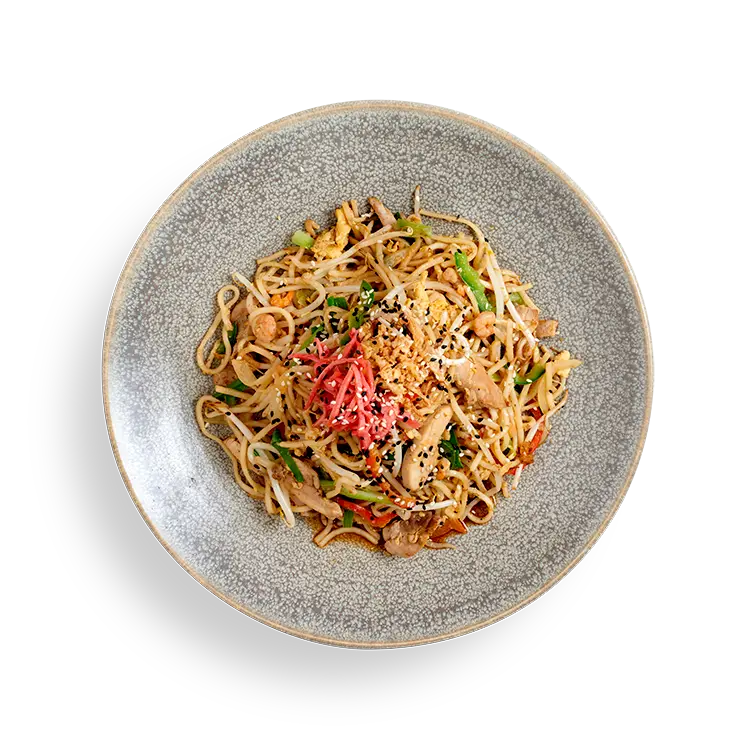 £15.90
noodles. egg. peppers. beansprouts. fresh + crispy onions. pickled ginger. sesame seeds
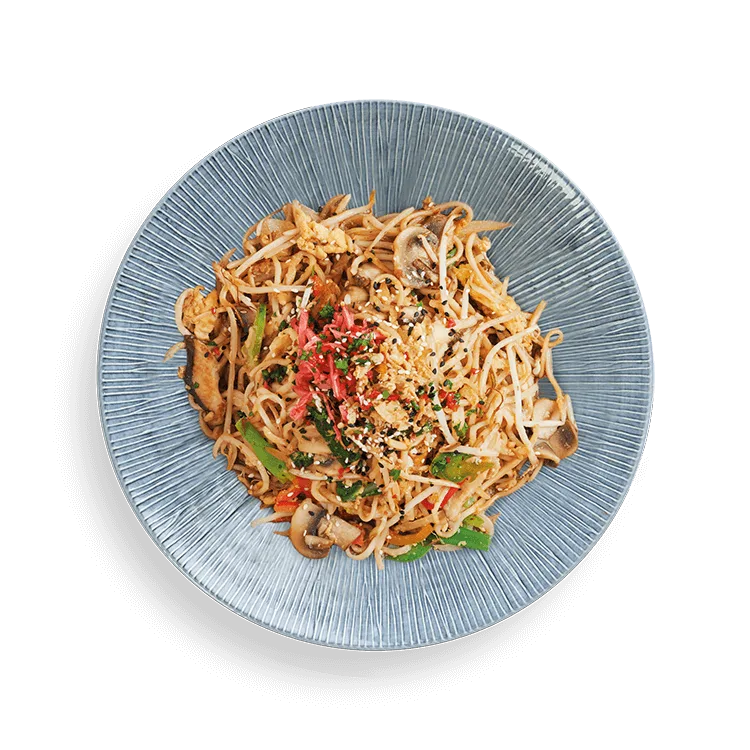 £15.80
noodles. peppers. beansprouts. fresh + crispy onions. pickled ginger. sesame seeds
Check which of the UK restaurants is closest, with opening hours and directions.
Wagamama Locations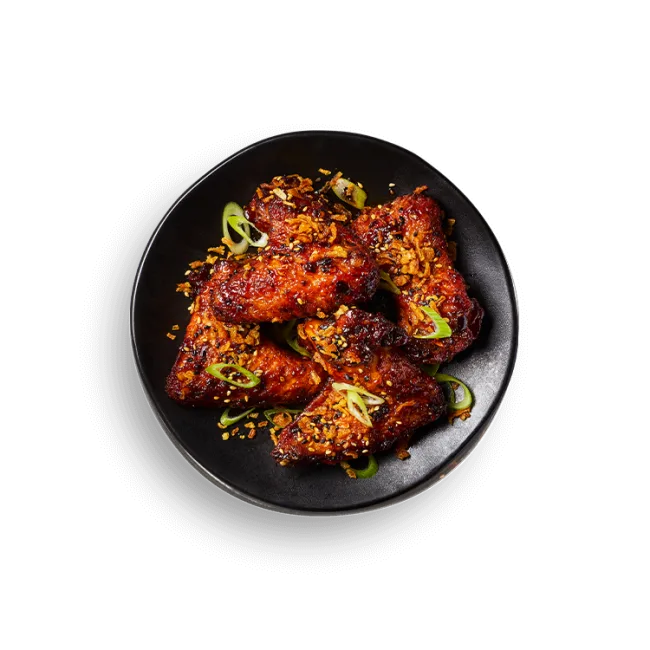 £10.50
spicy buldak sauce. crispy + spring onions. sesame seeds
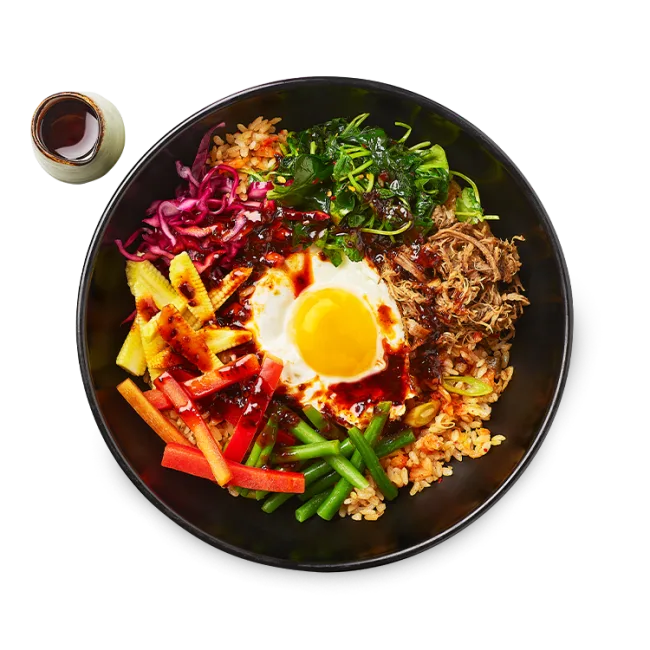 £19.50
spicy buldak sauce. beef brisket. pickled red cabbage. red pepper. baby corn. green beans. fried egg. pea shoots. kimchee fried rice
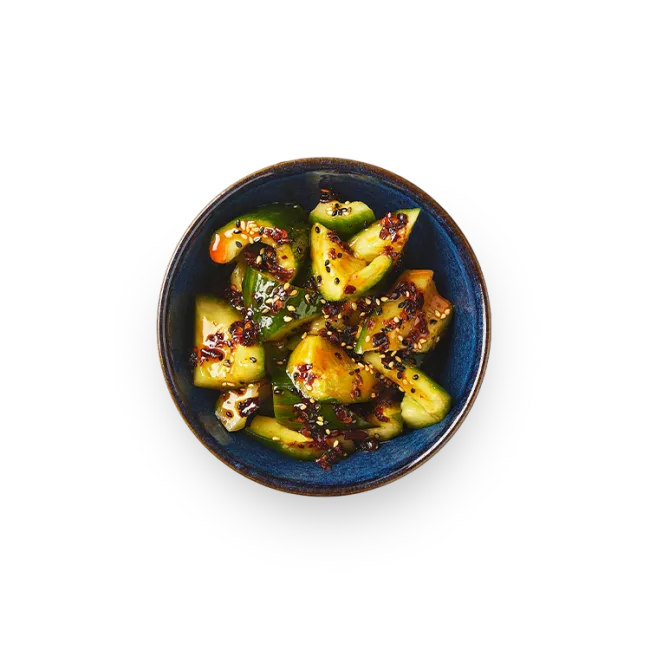 £4.50
£4.50smashed cucumber topped with crispy chilli oil. sesame seeds + oil
 £5.10
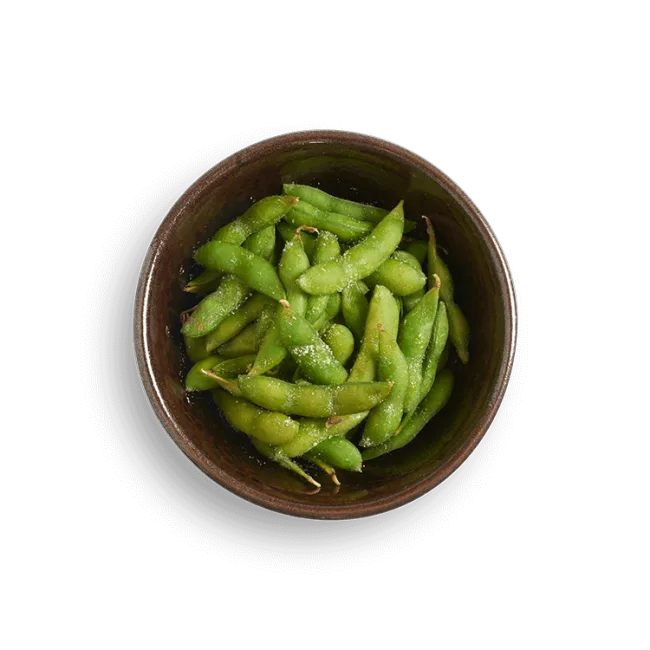
£5.10beans with salt
Comments
No comments yet. Be the first to say something.